How to Choose the Perfect Running Shoes: Expert Advice
Feeling discomfort during your runs? It might be time to reassess your footwear. Running shoes aren't just sneakers; they're precision-engineered tools protecting your feet and joints. Choosing the right pair is the first step towards a healthier, more enjoyable running journey – whether you're tackling your first 5K or training for a marathon. Running shoes designed specifically for the biomechanics of running can significantly reduce the risk of common injuries, improve running efficiency, and make every mile feel better.
Different runners need different running shoes. Here’s a quick guide:
- Know Your Gate & Arch: Understand if you have a neutral stride, overpronate (your foot rolls inward excessively), or underpronate (supinate). Visiting a specialized running store for a gate analysis is invaluable. Your arch type (high, neutral, low/flat) also plays a key role.
- Match the Shoe Type:
- Neutral Cushioned Shoes: Best for neutral runners or those who supinate. Offer maximum cushioning without stability features. (e.g., Nike Pegasus, Brooks Ghost).
- Stability Shoes: Ideal for mild to moderate overpronators. Feature firmer foam or guide rails on the medial (inside) side. (e.g., Asics GT-2000, Saucony Guide).
- Motion Control Shoes: For severe overpronators, offering maximum support and rigidity. (e.g., Brooks Beast, Asics Gel-Kayano).
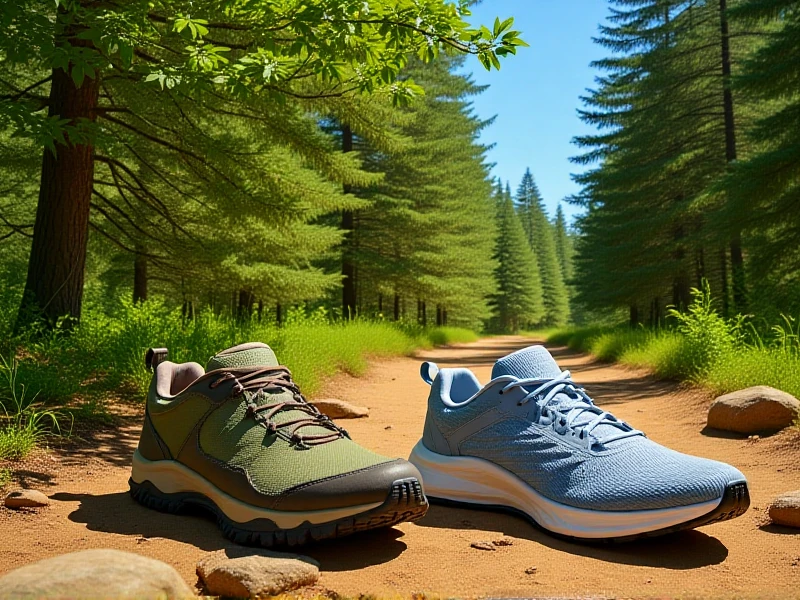
- Consider Your Running Terrain: Running primarily on roads? Stick with standard road running shoes. If hitting trails with roots, rocks, and mud, invest in trail running shoes with aggressive lugs and enhanced protection.
- Fit is Paramount: Shopping later afternoon or post-run ensures your feet are at their largest.
- Length: There should be about a thumbnail's width (roughly half an inch) between your longest toe and the end of the shoe.
- Width: Your foot shouldn't feel squeezed or slide side-to-side.
- Heel: A secure, slip-free heel lock is essential.
- Try Before You Buy: Always walk and ideally run a little in the store!
Maximize Shoe Performance & Longevity:
- Replace Regularly: Most running shoes last between 300-500 miles. Signs you need new ones include loss of cushioning, worn-out treads, new aches and pains, or visible midsole compression wrinkles.
- Rotate: Having two pairs helps the foam recover between runs, potentially extending the life of both.
- Proper Lacing: Learn techniques to prevent heel slippage or relieve pressure on the top of the foot.
- Store Correctly: Keep them away from extreme heat and direct sunlight.
Investing time in finding your optimal running shoes is investing in your running future. For tailored recommendations, stop by our store or explore our extensive collection online. Browse by gait type, surface, distance, and arch support to discover your perfect match and run stronger, longer, and more comfortably.
Ready to find your perfect pair? Explore our best-selling running shoes today! Search our collection.