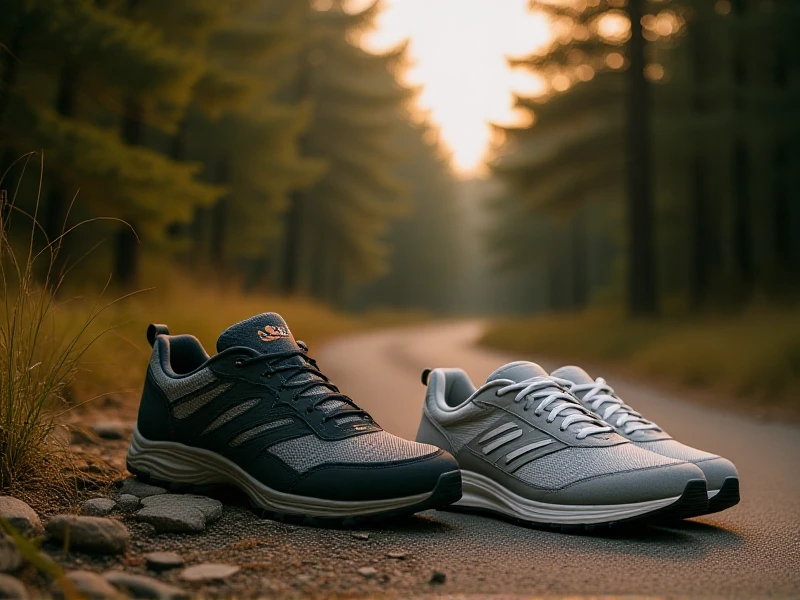
Finding Your Perfect Pair: The Ultimate Guide to Running Shoes
Whether you're a novice jogging around the neighborhood or a seasoned marathoner, picking the right running shoes can transform your performance and reduce injury risks. After all, the wrong pair might lead to discomfort or long-term issues, while the ideal one boosts your stride and motivation. Today, we'll dive into key tips for selecting top-notch running shoes, covering types, essential features, and expert recommendations.
First, let's explore common categories to find what suits your routine. Neutral running shoes are ideal for runners with efficient gaits, offering lightweight cushioning without excessive arch support—perfect for daily road training. If you experience mild overpronation (where feet roll inward), stability shoes provide added arch reinforcements to correct alignment and enhance comfort. For trails or uneven terrain, trail running shoes feature aggressive soles and protective uppers for grip and stability, whereas racing flats focus on minimal weight for speed-focused events. Many brands like Nike, Brooks, and ASICS update their lines annually with advanced materials, so reviewing current models helps snag the best fit.
Critical features in quality running shoes include cushioning, which absorbs shock to protect joints; many modern shoes use foams like Adidas' Boost or Nike's React for responsive bounce. Support elements such as medial posts in stability models prevent excess movement, reducing fatigue. Fit is paramount—always try shoes in-store after runs or later in the day when feet are swollen. Gauge factors like your arch type: high arches may need more cushioning, while flat feet benefit from stability designs. Aim for a thumb's width of space in the toe box to avoid blisters and ensure laces allow secure adjustments. Prices range from budget-friendly options under $100 to premium picks over $150, but investing pays off in durability and performance over hundreds of miles.
Top recommendations combine reliability and innovation. Brooks Ghost models excel as versatile daily trainers with plush cushioning for all distances, while Hoka One One appeals to those craving maximalist comfort on long runs. For speed enthusiasts, Nike Pegasus delivers responsive energy return. If sustainability matters, brands like Saucony incorporate recycled materials into their running shoe designs. Always rotate pairs to extend life and track wear patterns; replacing shoes every 300-500 miles is wise.
In the end, running enhances well-being, but proper footwear elevates every step. Test options with quick runs or store experts to lock in your go-tos. Your journey starts now—discover the perks of tailored support and make your miles matter!